
How to Deal With Mitigation Plea in Singapore: 7 Factors You Should Know
A mitigation plea in Singapore is a formal address made to the court after a person has pleaded guilty or been found guilty of an offence.
By addressing these 9 critical factors, you can help the court arrive at a fair and just sentence.
Speak to a Criminal Lawyer Today
(100% Free & Confidential)
As Seen On:

1. Your Age
The Singapore Courts often view age as a significant factor in sentencing. This is especially true for young offenders under 21 or the elderly. For younger individuals, the focus is often on rehabilitation rather than punishment because the court recognises that maturity and judgment are still developing.
Highlighting your age and life stage allows your lawyer to argue for sentencing options like Probation or Reformative Training. This is done so you get a chance to move forward without the long-term stigma of a standard prison sentence.
2. Facts Relating To The Circumstances Of The Crime
Not all crimes are committed under the same conditions. This factor examines the reasons and the methods of the offence. We look at whether there was provocation, an accidental lapse in judgment, or a lack of premeditation.
By articulating these specific circumstances in your mitigation plea in Singapore, we provide the Judge with the necessary context to show that the offence may be out of character. We do this so you get a sentence that reflects the true gravity of your actions rather than a standard punishment.
3. Restitution
Making restitution means taking active steps to make things right. This could involve returning stolen funds or paying for damages caused. In the eyes of the court, voluntary restitution is a powerful indicator of genuine remorse and a desire to compensate the victim.
Proactively addressing this factor demonstrates that you have taken responsibility for your actions before being ordered to do so. We highlight this so you get to show the court that you are serious about your rehabilitation.
4. Rehabilitation
The court is highly interested in whether an offender is likely to re-offend. This factor focuses on the steps you have taken since the incident. Examples include attending counselling, seeking stable employment, or engaging in community support groups.
By documenting a clear rehabilitation pathway, we show the Judge that you have a strong support system in place. We present this evidence to help you position yourself as a low-risk individual who deserves a second chance to contribute to society.
5. Degree Of Co-Operation
Your behaviour after the offence matters significantly. The court looks at whether you voluntarily surrendered or assisted the police in their investigation. Highlighting a high degree of cooperation shows the court that you are not defiant of the law.
We emphasise your transparency with the authorities so that the court considers a more lenient sentence in recognition of the time and public resources you helped save.
6. Degree Of Involvement In Crime
In cases involving multiple people, your specific role is crucial. The court needs to know if you were a mastermind or a minor player. If your involvement was minimal or if you were pressured by others, this must be clearly communicated. We meticulously detail your level of participation so you get a sentence that is proportionate to your actual role. This ensures you are not unfairly penalised for the more serious actions of others.
7. Psychiatric Illness
Mental health is a vital consideration in the Singapore judicial system. A diagnosed psychiatric condition like depression or PTSD might have contributed to the offence. If so, it may significantly reduce your moral culpability. We work with medical experts to present a clear link between your condition and the incident. We do this so that the court considers treatment-focused sentencing rather than purely punitive measures.
Steps to Construct an Effective Mitigation Plea
1. Identify Relevant Personal History
We help you pinpoint specific life events and background details that the court should consider. We do this so you get a narrative that highlights your character and potential for rehabilitation beyond the offence itself.
2. Gather Documentary Evidence
You should collect physical proof, such as character references, employment records, or medical reports, to back up your claims. We review these documents for you so you get an evidence-based plea that carries significant weight with the Judge.
3. Highlight Genuine Remorse
It is essential to demonstrate that you have taken responsibility through early guilty pleas or restitution. We help you articulate your regret clearly so you get to show the court that you are unlikely to re-offend.
4. Address the Sentencing Principles
Your statement must align with legal standards such as prevention and rehabilitation. Our team structures your arguments around these judicial benchmarks to ensure a professional submission that speaks the court’s language.
5. Final Review and Refinement
We check the statement for any inconsistencies that might contradict your guilty plea. We perform this final audit to ensure you get a polished, persuasive document that protects your interests during the sentencing hearing.
The Process of Lodging Your Plea with the Court
1. Determine the Correct Legal Venue
We identify whether your case is being heard in the State Courts or the High Court. This is a critical first step because each venue has different filing protocols. We handle this verification so you get the certainty that your documents are being prepared for the right judicial body.
2. Format Your Written Submissions
Our team converts your personal details and legal arguments into a formal document that meets court requirements. We ensure all page limits and font sizes comply with the Practice Directions. We manage this technical drafting so you get a professional presentation that the Judge can easily review.
3. Upload via the Integrated Case Management System
Most mitigation pleas in Singapore are now filed electronically through the ICMS portal. We manage the digital submission and pay the necessary filing fees on your behalf. We handle the logistics, so you get a confirmation of receipt without having to navigate complex government software yourself.
4. Serve Documents to the Prosecution
A copy of your plea must be provided to the Attorney General’s Chambers before the hearing. This allows the prosecutor to review your points and helps avoid unnecessary delays in court. We facilitate this exchange to ensure a smoother hearing process in which all parties are fully informed.
5. Present Your Oral Arguments
On the day of sentencing, your lawyer will highlight the most persuasive parts of your written plea to the Judge. This is your final opportunity to influence the outcome of the case. We provide experienced advocacy so you have the best possible chance of the court fully understanding your mitigating factors.
Options Available if You Are Unhappy with the Judgment
Evaluate the Grounds for Appeal
We review the Judge’s written grounds of decision to identify any errors in fact or law. This assessment is the foundation of any challenge to a sentence. We conduct this deep dive to give you a clear understanding of whether an appeal is a viable and safe path forward.
File a Notice of Appeal
You must submit a formal notice within 14 days of the sentencing date to preserve your right to challenge the outcome. Missing this deadline can result in the loss of your right to appeal. We manage this strict timeline for you so you get the peace of mind that your legal options remain open.
Prepare the Petition of Appeal
After the court record is ready, we draft a detailed petition outlining exactly why the sentence should be modified. This document focuses on legal precedents and sentencing benchmarks. We meticulously prepare this filing so you get a robust argument that addresses the specific concerns of the higher court.
Assess the Risk of a Cross Appeal
It is important to know that the Prosecution may also appeal for a higher sentence if they believe the original one was too lenient. We analyse the likelihood of such a move by the state. We provide this strategic oversight to give you a realistic view of the potential risks and rewards before proceeding.
Represent You at the Appeal Hearing
Our lawyers present oral arguments before the High Court to advocate for a more appropriate sentence. This stage requires a high level of courtroom experience and technical legal knowledge. We provide this dedicated advocacy to give you the best possible chance of a favourable revision to your judgment.
2 Frequent Errors to Avoid in Sentencing Pleas
Qualifying Your Guilty Plea
A common mistake is trying to explain away the crime in a way that contradicts the facts you already admitted to. If you tell the Judge you didn’t really mean to do it or that the facts are wrong, the court may reject your plea and order a full trial.
We carefully vet your statement to ensure it remains consistent with your admission of guilt. We do this so you get a valid plea that the court can accept without legal complications.
Focusing on Irrelevant Hardships
Many people spend too much time on personal stories that do not meet legal sentencing criteria. While family background is important, it must be linked to specific judicial principles, such as rehabilitation or proportionality.
We filter out the noise and focus on the factors that actually move the needle for a Judge. We provide this editorial oversight to ensure you get a concise, impactful plea that respects the court’s time and focuses on your strongest legal arguments.
How Tembusu Law Can Help You
Conducting a Deep Dive Case Analysis
We begin by investigating every detail of your background and the incident itself. This allows us to find hidden mitigating factors that an untrained eye might miss.
Drafting Persuasive Written Submissions
Our team translates your life experiences into a formal legal document that speaks directly to the Judge’s priorities. We use our knowledge of sentencing benchmarks to position your case in the best possible light.
Engaging with Expert Professionals
In cases involving mental health or specialised issues, we coordinate with psychiatrists and other experts to provide supporting reports. These objective opinions carry significant weight in the courtroom.
Providing Skilled Courtroom Advocacy
On the day of your hearing, we stand beside you to present your case orally. We respond to the prosecution’s arguments and answer any questions the Judge may have in real time.
Managing Post Sentencing Requirements
Our support does not end once the sentence is passed. We assist with administrative tasks, such as applying for a sentence deferment if you need time to settle personal affairs.

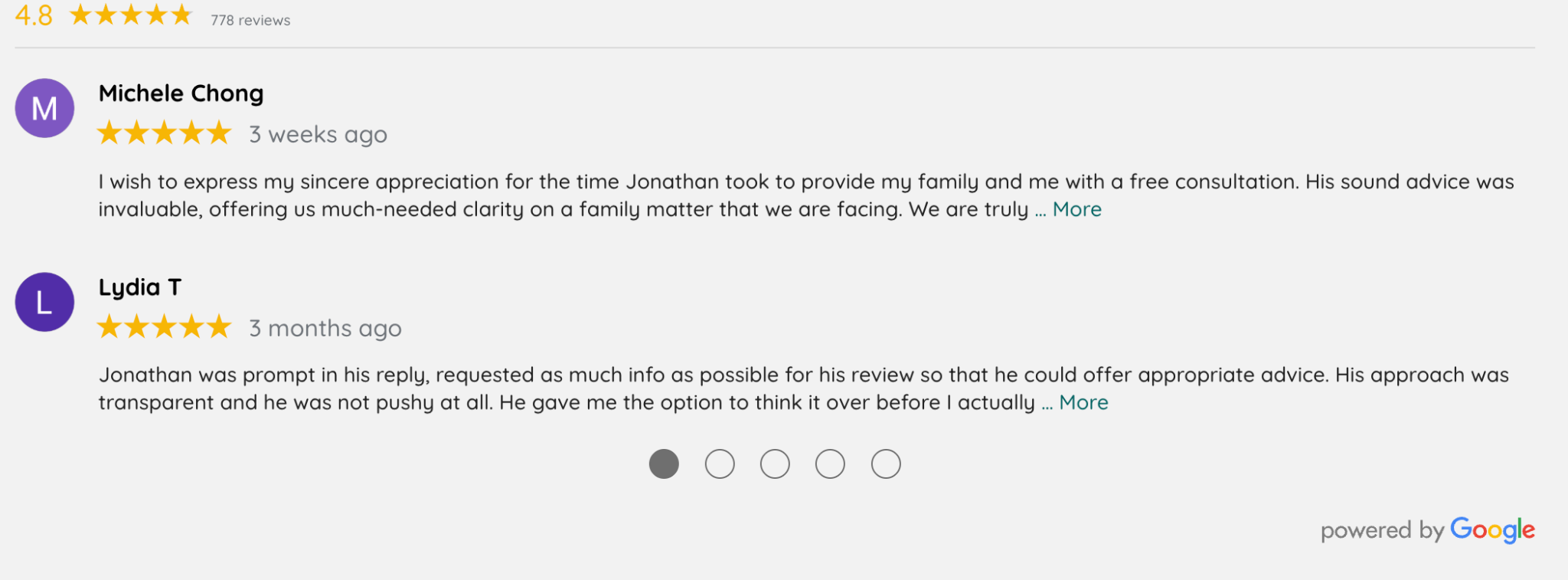
What Our Clients Say
Your First Step: A 100% Free And Confidential Consultation
In your free 15-minute discovery call, you will receive the following items.
A Comprehensive Case Review
We listen to the details of your situation to identify which legal arguments are most relevant to your specific charges.
An Assessment of Mitigating Factors
We explain which of the 7 critical factors apply to your life, such as your age or your degree of cooperation.
Transparent Fixed Fee Quotes
We provide a clear, all-inclusive fixed-fee quote for our legal representation. You will never have to worry about hidden costs or the stress of an open chequebook while managing your legal defence.
Speak to a Criminal Lawyer Today
(100% Free & Confidential)
Don’t Face the Court Alone: Get the Professional Voice You Need
The legal system can feel overwhelming when you are standing in front of a Judge by yourself. The biggest advantage of our service is having an experienced advocate who knows exactly how to frame your personal story to the court.
Our team is ready to help you navigate the complexities of your sentencing hearing with a clear and proven strategy.
The first step toward resolving your case with confidence is just one call away.
Speak to a Criminal Lawyer Today
(100% Free & Confidential)
Frequently Asked Questions About Mitigation Plea in Singapore
What is the Difference Between Mitigating and Aggravating Factors?
Mitigating factors are facts that favour the offender and may lead to a more lenient punishment. These often include things like a clean criminal record or a timely guilty plea. On the other hand, aggravating factors are facts that work against the offender and may lead to a harsher sentence. Examples include a high degree of premeditation or causing serious harm to a vulnerable victim.
What Is The Effect Of A Plea Of Guilt In Mitigating The Penalty?
Pleading guilty at an early stage is usually seen as a strong sign of remorse, and it saves the court significant time and resources. This often results in a sentencing discount compared to cases that go to a full trial. We help you time your plea correctly so you get the maximum possible credit for your cooperation and remorse.
Can I Submit Character References With My Plea?
Yes, you can include letters from employers or community leaders that vouch for your personality and contributions to society. These documents provide the Judge with objective evidence of your potential for rehabilitation.
How Long Does A Sentencing Hearing Usually Last?
Most sentencing hearings are completed within a single morning or afternoon session, depending on the complexity of the arguments. The Judge may decide the sentence immediately after the oral submissions are made. We prepare all documents in advance to ensure you have a structured, efficient hearing without unnecessary delays.
Should I Engage A Lawyer To Prepare My Mitigation Plea?
While you can represent yourself, a lawyer has the technical knowledge to link your personal facts to established sentencing benchmarks. An experienced advocate ensures that you do not accidentally say something that makes your situation worse.